Common Issues with Magnetic Level Gauges in Field Applications
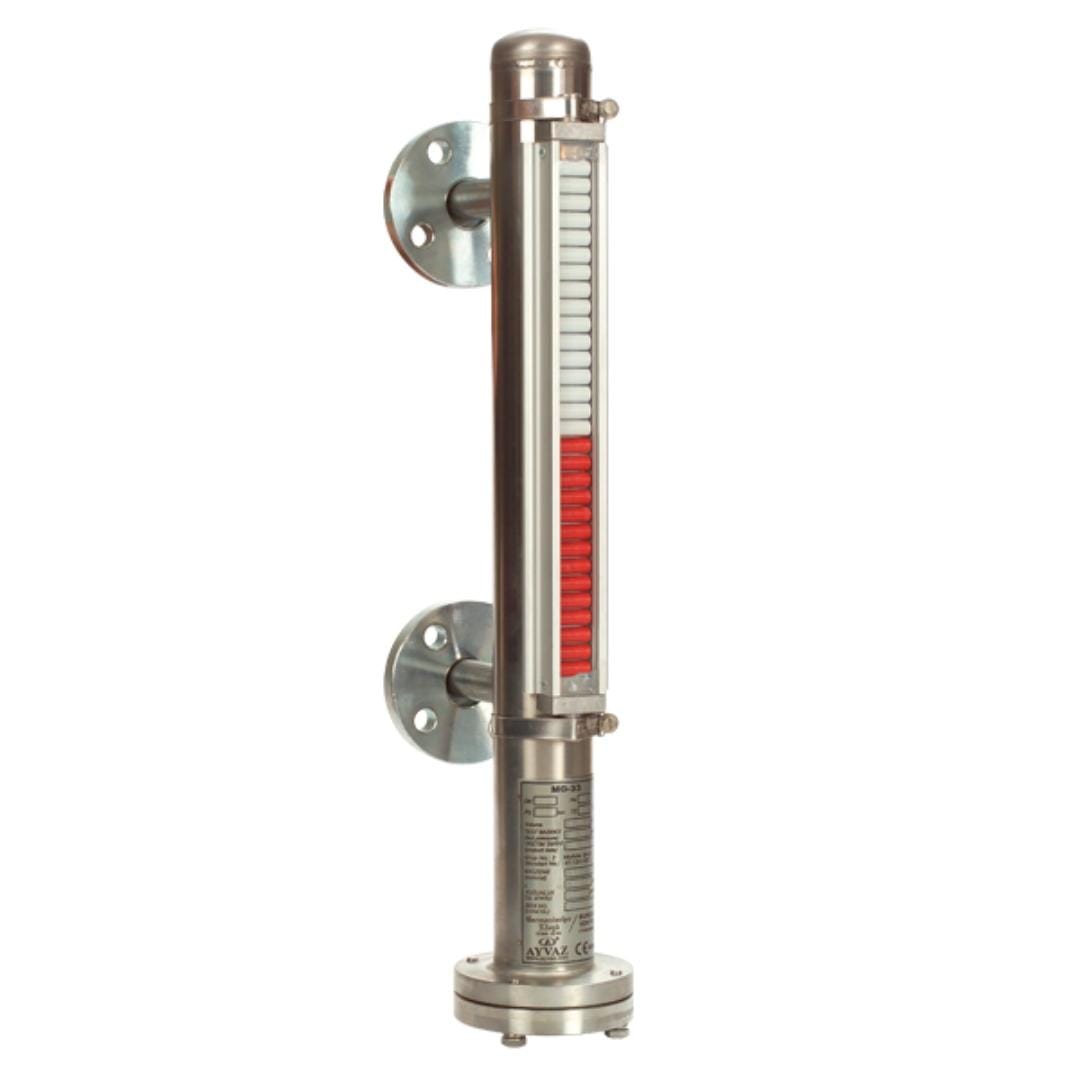
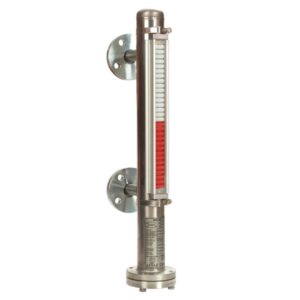
A magnetic level gauge is one of the most reliable instruments used for liquid level measurement in industrial processes.
Its simple design, clear visual indication, and ability to withstand high pressure and temperature make it a preferred choice across industries in the UAE, Saudi Arabia, Oman, and Egypt.
However, when magnetic level gauges are exposed to real field conditions such as vibration, harsh fluids, and continuous operation, several practical issues can arise.
Understanding these challenges helps plant operators and maintenance teams improve accuracy, reduce downtime, and extend equipment life.
This blog discusses the most common issues faced by magnetic level gauges in field applications, including a few critical problems that are often overlooked.
Float Sticking or Restricted Movement
Float sticking is one of the most common problems reported in magnetic level gauge installations.
In this situation, the actual liquid level changes inside the vessel, but the gauge continues to display the same reading.
Why It Happens
Sediment, sludge, or solid particles carried by the process fluid can accumulate inside the gauge chamber over time.
This buildup restricts the float’s movement.
Corrosion or scaling on the chamber walls also increases friction.
In industries handling viscous or sticky fluids, float movement can slow down significantly.
Incorrect float selection is another frequent cause.
If the float density does not match the process fluid, buoyancy may be insufficient for smooth operation.
How to Prevent It
Routine inspection and periodic cleaning of the chamber are essential, especially in demanding industrial environments across the UAE and Saudi Arabia.
Installing strainers upstream helps reduce debris entry.
Always select floats based on fluid density, operating pressure, and temperature.
For installation-related guidance, refer
Best Practices for Installing Transparent vs Reflex Level Gauges
Erratic Indicator Behavior and Flag Flickering
This is a field issue that many technicians encounter but is rarely discussed in detail. In such cases, the float moves correctly inside the chamber, but the external indicator behaves unpredictably.
Common Symptoms
Indicator flags may flicker, lag behind the actual liquid level, or jump suddenly instead of moving smoothly. This can lead to confusion during routine monitoring.
Root Causes
Strong external magnetic fields from motors, pumps, or electrical panels can interfere with magnetic coupling.
Continuous vibration from pipelines or rotating equipment weakens the indicator magnets over time. Even slight misalignment during installation reduces magnetic efficiency.
Practical Solutions
Ensure the magnetic level gauge is installed away from strong magnetic sources.
Use proper pipe supports to minimize vibration. Verify that the gauge chamber is perfectly vertical and that the float orientation is correct.
If indicator magnets have weakened due to prolonged exposure to heat or vibration, replacement of the indicator assembly may be required.
Performance Issues in Viscous or Sticky Fluids
Magnetic level gauges are highly effective for clean liquids, but applications involving heavy oils, waxy substances, or viscous chemicals can present challenges.
What Happens in the Field
Sticky fluids tend to coat the float and chamber walls, increasing resistance and causing delayed or inaccurate level indication.
Over time, buildup can affect repeatability and response time.
Mitigation Measures
Using larger chamber diameters and application-specific floats improves performance.
Heat tracing or insulation helps maintain fluid flowability, especially in colder environments. Scheduled flushing prevents long-term buildup.
If you are selecting equipment for such services, explore our Magnetic Level Gauge product range.
Effects of Temperature and Pressure Extremes
Magnetic level gauges are designed for harsh environments, but extreme temperature and pressure conditions common in the Middle East can affect long-term performance.
High temperatures may weaken the magnet inside the float over time, reducing coupling efficiency.
Frequent pressure fluctuations can stress seals and connections, increasing the risk of leakage.
Best Practices
Always select materials compatible with actual operating conditions.
Corrosion-resistant alloys and suitable gasket materials are essential for applications in the UAE, Oman, and Egypt.
Proper allowance for thermal expansion during installation helps avoid mechanical stress.
You may also find this resource helpful:
Why Thermowells Matter More Than You Think
Leakage and Seal Failures
Leakage is both a maintenance and safety concern. While gasket wear is common, many leaks originate from installation-related stresses rather than material failure.
Common Causes
Uneven flange tightening, piping misalignment, or vibration can deform gaskets over time. Incompatible seal materials may also degrade when exposed to aggressive process fluids.
Prevention Tips
Use gasket materials suitable for pressure, temperature, and chemical exposure.
Tighten flanges evenly and inspect seals regularly. Early detection prevents unplanned shutdowns and safety risks.
Installation and Alignment Errors
Improper installation is one of the leading causes of magnetic level gauge failure in field applications.
What to Check
The gauge must be installed vertically and supported correctly.
Pipe stress should never be transferred to the gauge chamber. Isolation valves should allow safe venting and draining during maintenance.
A proper installation checklist significantly reduces troubleshooting later.
Issues with Transmitters and Switches
Many modern magnetic level gauges supplied by leading magnetic level gauge suppliers in Dubai are equipped with transmitters or level switches for remote monitoring.
Typical Problems
Loose wiring, moisture ingress, grounding issues, or calibration errors can cause incorrect signals. In such cases, the visual indicator may show the correct level while the control system displays incorrect data.
Recommended Action
Inspect wiring and grounding first.
Verify transmitter calibration during routine maintenance.
Addressing these issues early avoids false alarms and process disruptions.
Conclusion
A magnetic level gauge is a robust and dependable instrument, but real-world field conditions in the UAE, Saudi Arabia, Oman, Egypt, etc. can introduce challenges beyond basic design assumptions.
Float sticking, erratic indicators, viscous fluid effects, vibration, installation errors, and transmitter issues are common but manageable.
By following best practices in selection, installation, and maintenance, industries can significantly improve accuracy and extend equipment life.
As one of the trusted magnetic level gauge suppliers in Dubai, Globe United supports customers across the Middle East with reliable products and practical technical guidance.
If you need help selecting or troubleshooting a magnetic level gauge, contact our team.