How to Select the Right Stilling Well for Accurate Level Measurement
Accurate level measurement does not depend on the transmitter alone.
Even the most advanced sensor can deliver unreliable readings if the surrounding process conditions are unstable.
This is where selecting the right stilling well design becomes critical.
While stilling wells are widely used to stabilize level measurements, choosing the wrong size, material, or configuration can limit their effectiveness.
This guide explains the key factors to consider when selecting a stilling well for industrial applications.
1. Understanding Process Conditions Before Selection
The first step in choosing a stilling well is evaluating the operating environment:
Fluid type: clean liquids, viscous fluids, slurries, or corrosive chemicals
Level fluctuations: rapid changes, splashing, or agitation
Operating temperature and pressure
Presence of foam, vapour, or solids
For example, turbulent processes such as mixing tanks or surge vessels require stilling wells with properly positioned inlet slots to allow smooth fluid entry without introducing turbulence.
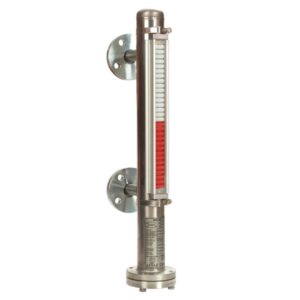
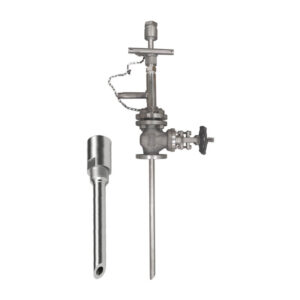
Refer here more details about the product.
2. Choosing the Correct Material for Stilling Wells
Material selection plays a major role in performance and longevity. Common options include:
Carbon Steel: suitable for non-corrosive fluids and standard industrial environments
Stainless Steel: preferred for corrosive, hygienic, or high-temperature applications
FRP or PVC: ideal for chemical resistance and lightweight installations
Selecting an incompatible material can lead to corrosion, fouling, or structural failure, affecting both safety and measurement accuracy.
Click here to read more about this.
3. Sizing Guidelines for Effective Stilling Wells
The diameter and height of a stilling well directly influence its damping performance.
Key sizing considerations:
The internal diameter should allow free movement of the level transmitter without contact
Inlet openings must be sized to balance fluid exchange and turbulence reduction
The well height should cover the full measurement range, including maximum and minimum levels
Undersized stilling wells can restrict fluid movement, while oversized designs may delay response time.
4. Installation Best Practices to Avoid Measurement Errors
Even a well-designed stilling well can underperform if installed incorrectly. Common installation mistakes include:
Placing inlet openings directly in high-velocity flow paths
Improper alignment causing transmitter contact with the well wall
Inadequate venting, leading to trapped air or vapour pockets
Proper installation ensures stable readings and reduces the need for frequent recalibration.
5. Compatibility with Different Level Measurement Technologies
Modern stilling wells are compatible with multiple measurement technologies, including:
Radar level transmitters
Ultrasonic sensors
Float and displacer-based instruments
Each technology has unique clearance and mounting requirements, which must be considered during stilling well design.
6. When a Custom Stilling Well Is the Better Choice
Standard stilling wells may not suit every process. Custom designs are often required when dealing with:
Extremely high turbulence
Limited installation space
Aggressive chemicals or high-pressure systems
Custom-engineered stilling wells ensure optimal performance without compromising safety or accuracy.
In short, selecting the right stilling well is as important as choosing the right level transmitter. By considering process conditions, material compatibility, sizing, and installation practices, industries can achieve reliable and long-term level measurement performance.
Explore Globe United’s range of stilling wells and level measurement solutions to find designs that meet your specific application requirements.