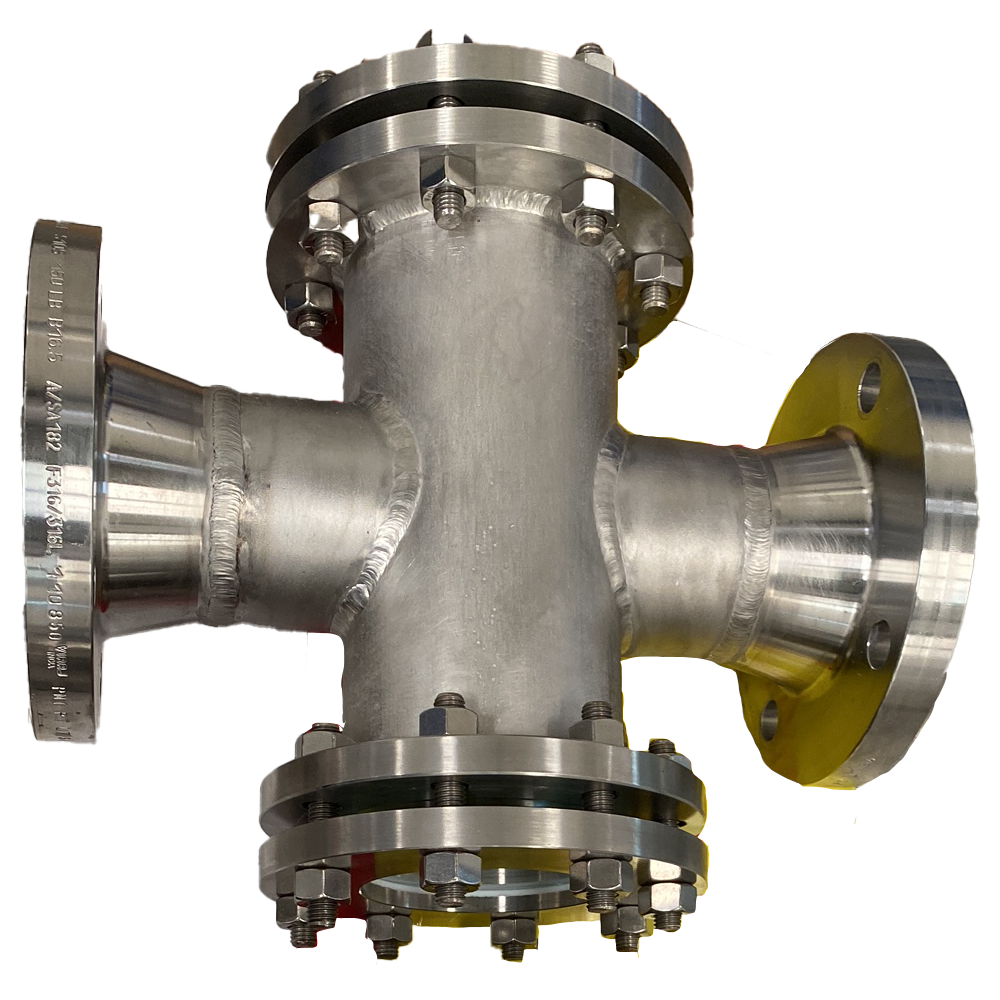
What is a Sight Flow Glass? A Complete Beginner’s Guide
In any industrial process, there’s one silent question engineers constantly ask: “Is everything flowing as it should?” That’s where a small yet powerful device steps in—the Sight Flow Glass. It may look simple, but the Sight Flow Glass plays a critical role in ensuring efficiency, safety, and control across industries.
Understanding Sight Flow Glass in Simple Terms
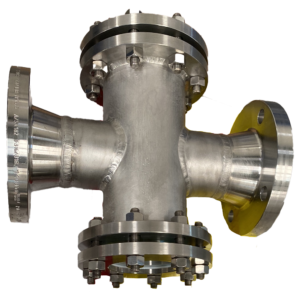
A Sight Flow Glass is a transparent device installed in pipelines that allows operators to visually monitor the flow of liquids or gases. Instead of relying only on sensors or assumptions, a Sight Flow Glass gives you real-time visual confirmation, making operations more accurate and reliable.
Imagine running a production line where liquids move through pipes at high speed. Without a Sight Flow Glass, you’re essentially operating blind. This device acts like a window into the pipeline, helping you instantly check:
- Whether the fluid is flowing or not
- The clarity or color of the liquid
- Presence of bubbles, foam, or contaminants
How Does a Sight Flow Glass Work?
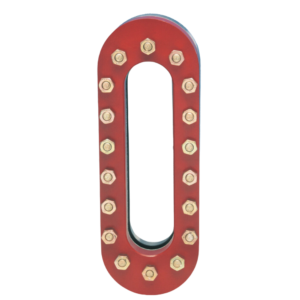
The working principle of a Sight Flow Glass is straightforward, which is exactly why it’s so effective. Installed inline within a pipeline system, a Sight Flow Glass includes a transparent section—usually made from toughened or borosilicate glass—through which the fluid passes.
As the liquid or gas flows, the Sight Flow Glass allows operators to observe it directly. Some advanced versions of Sight Flow Glass even include:
- Rotating indicators or flappers
- Built-in lighting for better visibility
- Double windows for extra durability
Types of Sight Flow Glass
Not all systems require the same type of Sight Flow Glass, and choosing the right one depends on the application. Different designs of Sight Flow Glass are built to match specific industrial needs.
1. Full View Sight Flow Glass
A full view Sight Flow Glass provides a complete 360-degree view of the fluid, making it ideal for processes where visibility is critical.
2. Double Window (Double Glass) Type
This type of Sight Flow Glass has two opposite viewing windows and is commonly used in high-pressure environments for added safety.
3. Inline Sight Flow Glass
An inline Sight Flow Glass is installed directly into the pipeline, allowing continuous monitoring without interrupting flow.
4. Flapper or Rotor Type
This Sight Flow Glass includes a moving element that rotates or flips, making it easy to confirm fluid movement at a glance.
Where is Sight Flow Glass Used?
The versatility of a Sight Flow Glass makes it essential across multiple industries where fluid monitoring is critical. A Sight Flow Glass ensures better control, visibility, and process efficiency.
- In the chemical industry, a Sight Flow Glass helps maintain precision in reactions
- In food and beverage production, a Sight Flow Glass ensures hygiene and quality
- In pharmaceuticals, a Sight Flow Glass supports strict manufacturing standards
- In water treatment plants, a Sight Flow Glass helps detect impurities
- In oil and gas, a Sight Flow Glass enhances safety and monitoring
Why is Sight Flow Glass Important?
You might wonder—why not just use digital sensors? The answer lies in the simplicity and reliability of a Sight Flow Glass.
A Sight Flow Glass provides instant visual verification, allowing operators to detect issues without relying on data interpretation. With a Sight Flow Glass, you can quickly identify irregular flow, contamination, or system failures.
Key benefits of a Sight Flow Glass include:
- Instant verification of flow
- Early detection of problems
- Cost-effective monitoring solution
- No dependency on power (in basic models)
- Improved operational safety
Common Issues and Maintenance Tips
Like any industrial component, a Sight Flow Glass requires proper maintenance to perform effectively. Over time, a Sight Flow Glass may face issues that impact visibility and performance.
Common Issues:
- Cloudy or dirty Sight Flow Glass reducing visibility
- Cracks due to pressure or temperature stress
- Leakage from improper sealing
Maintenance Tips:
- Clean the Sight Flow Glass regularly
- Inspect for cracks or wear
- Ensure proper installation
- Replace damaged seals and gaskets
Proper care ensures your Sight Flow Glass remains reliable and efficient over time.
How to Choose the Right Sight Flow Glass
Selecting the right Sight Flow Glass is not just about picking any model—it’s about finding the perfect fit for your system. The right Sight Flow Glass improves both performance and safety.
Key factors to consider when choosing a Sight Flow Glass:
- Material compatibility with the fluid
- Pressure and temperature ratings
- Size and connection type
- Visibility requirements
- Ease of maintenance
A well-chosen Sight Flow Glass can significantly enhance operational efficiency.
Final Thoughts
In a world driven by automation, the Sight Flow Glass continues to stand strong as a reliable and essential tool. Its simplicity is what makes the Sight Flow Glass so powerful in modern industrial systems.
Sometimes, the smartest solution isn’t the most complex one—it’s the one that gives you clear, direct insight. And that’s exactly what a Sight Flow Glass delivers: visibility, control, and confidence in every process.