Transparent Level Gauge: A Complete Guide for Industrial Applications
In industries where precision, safety, and real-time monitoring are critical, knowing the exact level of a liquid inside a vessel is not just important—it’s essential. This is where a Transparent Level Gauge becomes a key component in industrial operations, offering direct visibility and control.
From chemical plants to power stations, Transparent Level Gauge systems provide a clear and reliable way to monitor liquid levels. Unlike indirect measurement systems, they offer visual confirmation, which significantly improves operational reliability.
What Is a Transparent Level Gauge?
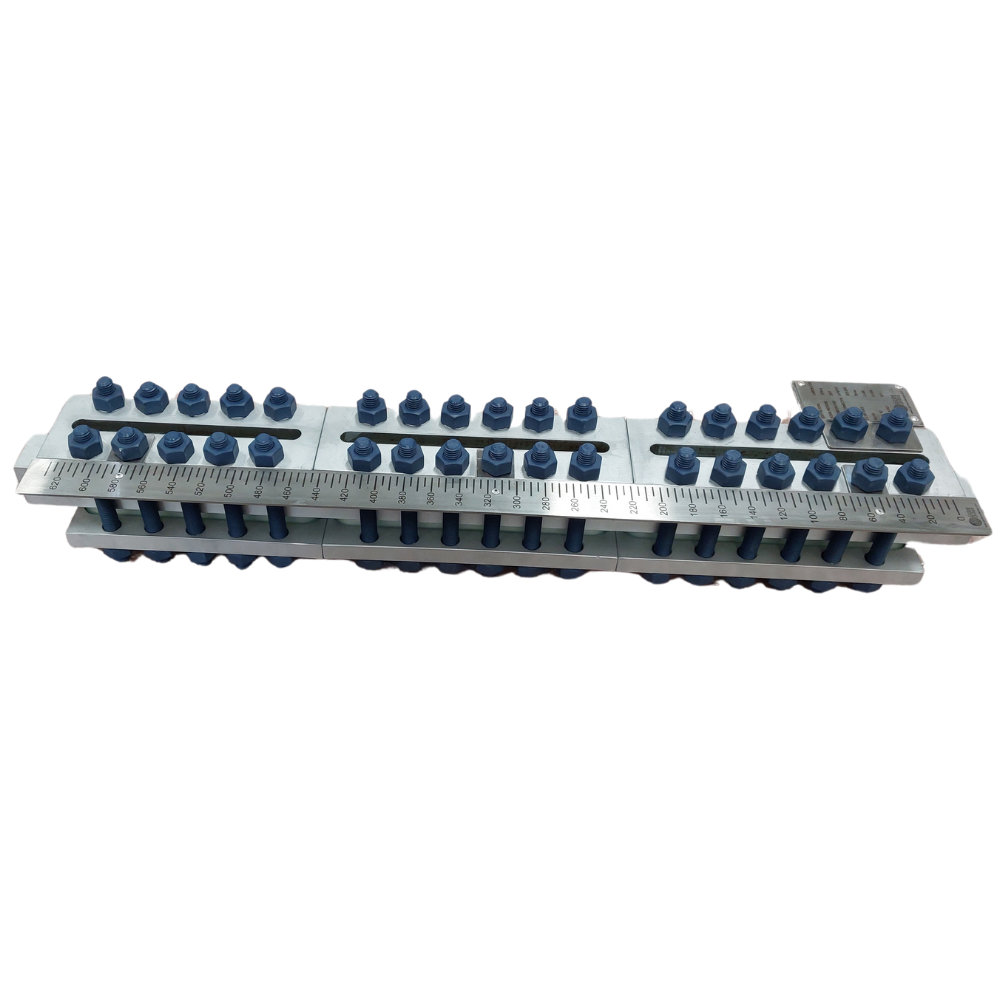
A Transparent Level Gauge is a device used to visually monitor the level of liquids inside tanks, boilers, or vessels. It consists of a transparent glass tube or flat glass plates mounted on a chamber, allowing operators to see the liquid level directly using a Transparent Level Gauge setup.
The Transparent Level Gauge is connected to the vessel through top and bottom connections, ensuring that the liquid level inside the gauge matches the level inside the tank.
Simple Understanding:
Think of a Transparent Level Gauge like a window into your tank—what you see in the gauge is exactly what’s happening inside.
How Does a Transparent Level Gauge Work?
The working principle of a Transparent Level Gauge is based on the concept of communicating vessels. When two connected containers hold the same liquid, the liquid level in both will be equal, which is exactly how a Transparent Level Gauge ensures accuracy.
Working Process:
- The Transparent Level Gauge is connected to the tank at two points (top and bottom).
- Liquid enters the gauge chamber of the Transparent Level Gauge.
- The level inside the Transparent Level Gauge stabilizes to match the tank level.
- The transparent glass in the Transparent Level Gauge allows operators to visually inspect the level.
In some cases, illumination is added behind the Transparent Level Gauge to improve visibility, especially for low-contrast liquids.
Key Components of a Transparent Level Gauge
Understanding the components of a Transparent Level Gauge helps in better selection and maintenance across industrial applications.
1. Transparent Glass
- Used in every Transparent Level Gauge for clear visibility
- Usually made of toughened or borosilicate glass
- Withstands high pressure and temperature
2. Chamber Body
- Forms the main structure of the Transparent Level Gauge
- Made from stainless steel or carbon steel
3. Gaskets and Seals
- Ensure leak-proof operation in a Transparent Level Gauge
- Maintain safety under pressure
4. Valves (Top and Bottom)
- Control flow in the Transparent Level Gauge
- Help isolate the system during maintenance
5. Drain Valve
- Removes accumulated dirt from the Transparent Level Gauge
6. Illuminator (Optional)
- Enhances visibility of the Transparent Level Gauge in low light
Types of Transparent Level Gauge
Different types of Transparent Level Gauge designs are available depending on industrial requirements and operating conditions.
1. Reflex Level Gauge
- A variation related to Transparent Level Gauge systems
- Uses prism glass for better visibility
2. Transparent (Flat Glass) Level Gauge
- A standard Transparent Level Gauge type
- Suitable for interface level measurement
3. Tubular Level Gauge
- A simpler form compared to advanced Transparent Level Gauge designs
- Used in low-pressure applications
Advantages of Transparent Level Gauge
One of the biggest benefits of a Transparent Level Gauge is its ability to provide direct visual indication without relying on electronic systems.
1. Direct Visual Indication
A Transparent Level Gauge provides real-time visibility, reducing measurement errors.
2. High Reliability
Since a Transparent Level Gauge is mechanical, it has fewer chances of failure.
3. Suitable for Harsh Environments
A Transparent Level Gauge can withstand high pressure, temperature, and corrosive fluids.
4. Easy Maintenance
The simple design of a Transparent Level Gauge makes it easy to clean and maintain.
5. Cost-Effective
Compared to digital sensors, a Transparent Level Gauge is more economical.
Applications of Transparent Level Gauge
A Transparent Level Gauge is widely used in industries where accurate liquid level monitoring is essential.
1. Boiler Systems
A Transparent Level Gauge helps monitor water levels and prevent damage.
2. Chemical Industry
Used as a safety tool, a Transparent Level Gauge tracks hazardous liquids.
3. Oil & Gas Industry
A Transparent Level Gauge is used in tanks and processing units.
4. Power Plants
Ensures proper monitoring using a Transparent Level Gauge.
5. Pharmaceutical Industry
Maintains precision with the help of a Transparent Level Gauge.
6. Food & Beverage Industry
A Transparent Level Gauge is used in hygienic applications.
Transparent Level Gauge vs Other Level Measurement Devices
When compared to other systems, a Transparent Level Gauge stands out for its simplicity and reliability.
Transparent Level Gauge vs Magnetic Level Gauge
A Transparent Level Gauge offers direct reading, while magnetic systems provide indirect readings.
Transparent Level Gauge vs Ultrasonic Sensors
Unlike ultrasonic devices, a Transparent Level Gauge does not require power or calibration.
Transparent Level Gauge vs Float Level Gauge
A Transparent Level Gauge shows the actual liquid, not an estimated level.
Safety Considerations
Proper use of a Transparent Level Gauge ensures long-term safety and efficiency.
1. Glass Protection
Protective shields are recommended for every Transparent Level Gauge.
2. Proper Installation
Correct installation improves Transparent Level Gauge performance.
3. Regular Inspection
Routine checks keep the Transparent Level Gauge functioning safely.
4. Pressure and Temperature Limits
Always operate a Transparent Level Gauge within limits.
Maintenance Tips for Long-Term Performance
A well-maintained Transparent Level Gauge ensures consistent and accurate readings over time.
- Clean the Transparent Level Gauge glass regularly
- Replace worn-out parts in the Transparent Level Gauge
- Inspect valves in the Transparent Level Gauge periodically
- Check for corrosion in the Transparent Level Gauge
- Ensure proper tightening of the Transparent Level Gauge assembly
How to Choose the Right Transparent Level Gauge
Selecting the right Transparent Level Gauge depends on several important factors.
1. Operating Conditions
Choose a Transparent Level Gauge based on pressure and temperature.
2. Material Compatibility
Ensure the Transparent Level Gauge resists corrosion.
3. Visibility Requirements
Use illuminated Transparent Level Gauge systems when needed.
4. Size and Mounting
Pick a Transparent Level Gauge suitable for your setup.
Why Transparent Level Gauges Still Matter in Modern Industry
Even in advanced industries, a Transparent Level Gauge remains a trusted solution because it provides direct, visual confirmation that digital systems cannot always guarantee.
Operators rely on a Transparent Level Gauge for immediate clarity, especially in critical environments where accuracy is non-negotiable.
Final Thoughts
A Transparent Level Gauge is more than just a measuring device—it is a vital tool for safety, monitoring, and operational efficiency.
Its simplicity, durability, and effectiveness make the Transparent Level Gauge a preferred choice across industries. Even as technology evolves, the Transparent Level Gauge continues to deliver where it matters most—clear, reliable, and accurate level indication.