TEE Strainers: Working Principle, Types, Benefits, and Industrial Applications
In industrial pipeline systems, protecting downstream equipment from debris and solid contamination is essential for maintaining efficiency and avoiding unexpected downtime. TEE Strainers are widely used filtration components designed to remove unwanted particles from liquids, gases, and steam flowing through pipelines. Their compact inline structure makes them especially suitable for installations where space is limited but filtration reliability is critical.
What Are TEE Strainers?
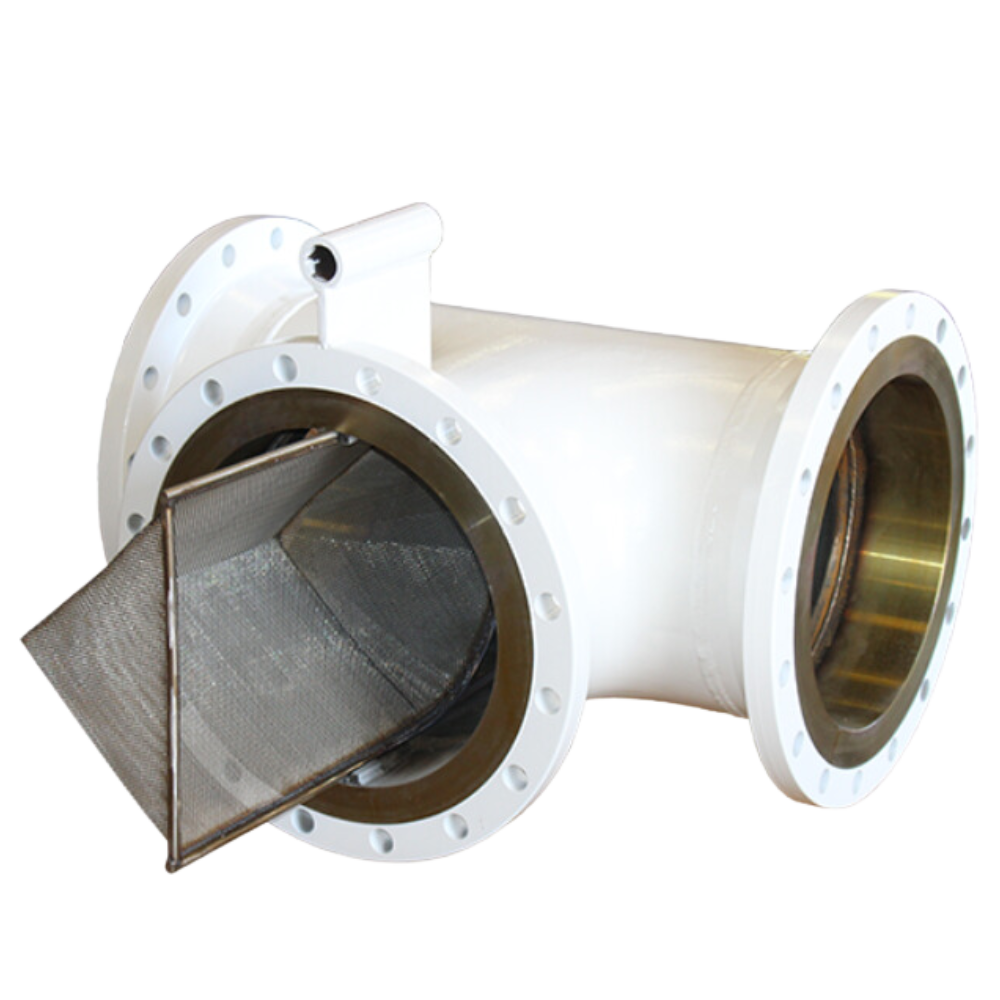
TEE Strainers are mechanical pipeline filtration devices shaped like a “T” that help capture debris such as rust, welding slag, scale, and sand before they reach sensitive downstream equipment. They are typically installed upstream of pumps, valves, compressors, and meters to ensure smoother operation and longer equipment life. Because of their simple geometry, they integrate easily into existing piping layouts without major structural changes.
Working Principle of TEE Strainers
The operating mechanism of TEE Strainers is straightforward and highly effective. Fluid enters through the inlet and passes across a perforated or mesh screen housed inside the strainer body. Solid contaminants larger than the mesh openings are retained within the chamber while clean fluid continues to flow downstream. This controlled filtration process ensures uninterrupted system performance with minimal pressure loss when maintained properly.
Construction and Design Features of TEE Strainers
Industrial-grade TEE Strainers are typically manufactured using materials such as carbon steel, stainless steel, cast iron, or alloy steel depending on pressure ratings and process requirements. The design normally includes:
- T-shaped housing for inline installation
- Internal perforated screen or wire mesh element
- Removable cover for easy maintenance access
- Drain plug or blow-off connection
- Pressure-rated body suitable for industrial conditions
These structural features allow the strainer to perform reliably even in demanding operating environments.
Types of TEE Strainers
Different operating conditions require different configurations of TEE Strainers, and selecting the correct type improves filtration efficiency and equipment protection. Common types include:
- Fabricated designs used in high-pressure and large-diameter pipelines
- Cast versions suitable for standard industrial applications
- Temporary units installed during commissioning to remove startup debris
Each variation supports specific pipeline requirements while maintaining compact installation advantages.
Advantages of Installing TEE Strainers
One of the key reasons industries choose TEE Strainers is their ability to deliver effective filtration without requiring complex installation arrangements. Their compact footprint allows them to fit into restricted pipeline layouts easily, and additional benefits include:
- Protection of downstream equipment from contaminants
- Reduced maintenance frequency and operating costs
- Improved system reliability and service life
- Compatibility with liquid, gas, and steam applications
- Strong performance under high-pressure conditions
These advantages make them a preferred filtration solution across industries.
Industrial Applications of TEE Strainers
Across industries where fluid cleanliness directly affects performance, TEE Strainers serve as essential protective components. They are widely used in:
- Oil and gas processing systems
- Chemical manufacturing plants
- Power generation facilities
- Water treatment infrastructure
- Petrochemical processing units
Their versatility makes them suitable for multiple pipeline protection requirements.
Installation Guidelines for TEE Strainers
Proper installation plays a major role in maximizing the efficiency of TEE Strainers. Following practical installation considerations ensures reliable long-term performance:
- Ensure correct alignment with flow direction
- Provide adequate clearance for maintenance access
- Select the correct mesh size based on contamination levels
- Match pressure rating with pipeline specifications
- Include drain connections for easier cleaning
These steps help maintain safe and consistent operation.
Maintenance Practices for TEE Strainers
Routine inspection helps maintain the long-term performance of TEE Strainers in industrial service conditions. Over time, debris accumulation inside the chamber can increase pressure drop and reduce filtration efficiency. Recommended maintenance practices include:
- Periodic inspection of the screen element
- Removing accumulated debris from the chamber
- Replacing damaged mesh when required
- Monitoring pressure differential across the strainer
Regular servicing prevents unexpected shutdowns and supports continuous operation.
How to Select the Right TEE Strainers
Selecting suitable TEE Strainers requires evaluating several operational parameters to ensure compatibility with pipeline conditions. Important selection factors include:
- Pipeline diameter and flow rate
- Operating pressure and temperature range
- Type of fluid being handled
- Required filtration level (mesh size)
- Installation space availability
Careful selection based on these criteria improves both safety and performance reliability.
Why Industries Prefer TEE Strainers
Many industries prefer TEE Strainers because they provide dependable filtration performance while maintaining installation simplicity. Their inline compatibility allows them to be integrated into both new and existing piping systems with minimal modification. This flexibility makes them a practical solution for facilities aiming to improve pipeline protection without increasing maintenance complexity.
In modern pipeline infrastructure, TEE Strainers continue to play an important role in safeguarding equipment and maintaining smooth process operations. Their compact design, efficient filtration capability, and easy maintenance access make them suitable for a wide variety of industrial environments. By selecting properly specified TEE Strainers, industries can improve equipment protection, reduce operational interruptions, and maintain consistent process efficiency over time.